

21 more graduates from Nepal's Tribhuvan University join Airbus

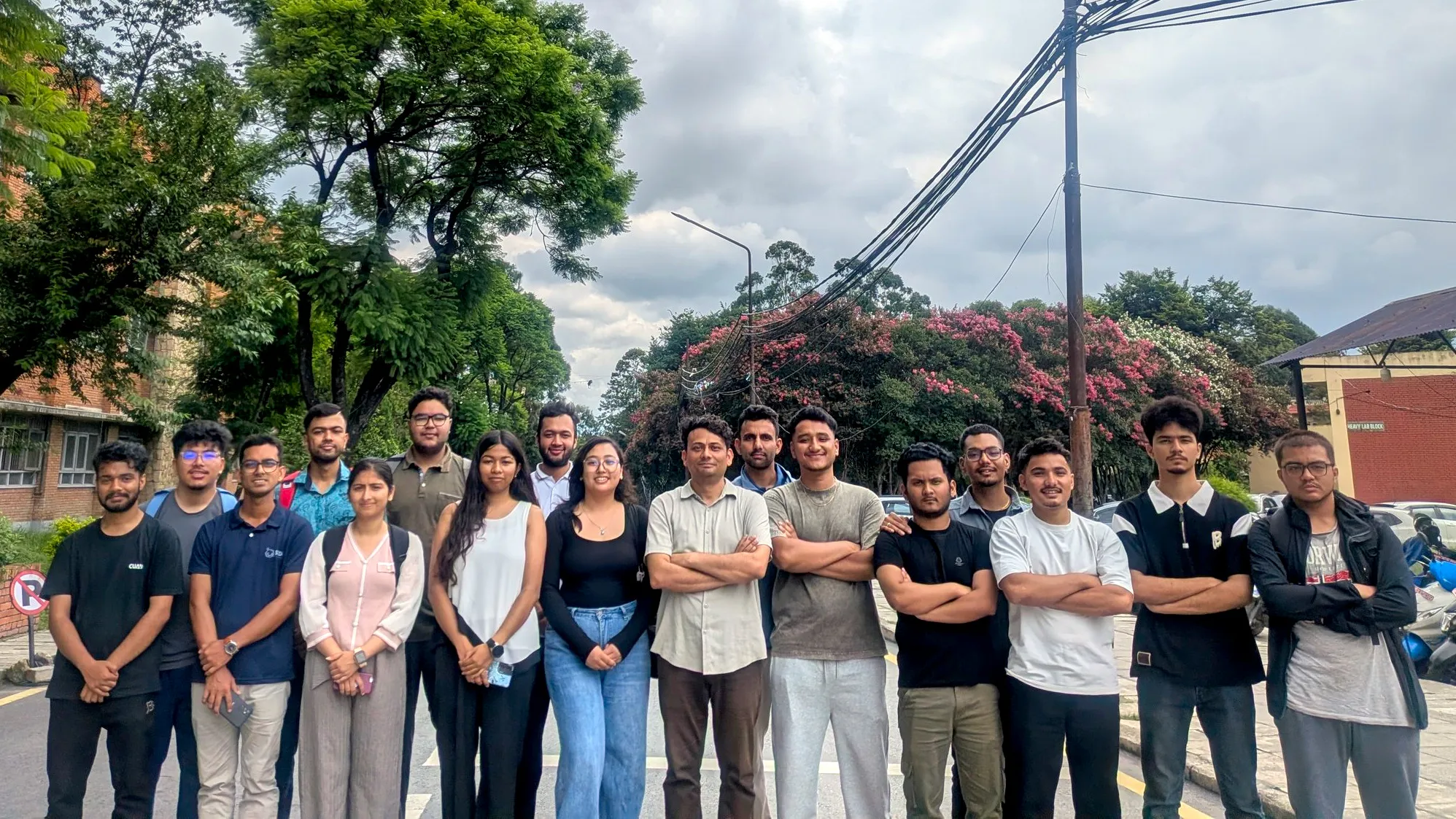
Dhaka: Twenty-one graduates from Tribhuvan University's Institute of Engineering (IOE), Pulchowk Campus, have joined aircraft manufacturer Airbus this year, extending an annual recruitment streak from Nepal's only aerospace engineering program.
The new hires have already begun orientation and initial training at Airbus's center in Bengaluru, India, according to Sudip Bhattarai, Associate Professor and Head of the Department of Mechanical and Aerospace Engineering.
"Graduates from our program have been joining Airbus regularly in recent years," Bhattarai said.
Pulchowk Campus launched Nepal's first Bachelor of Aerospace Engineering program in 2018. The COVID-19 pandemic delayed the graduation of the first batch, which ultimately completed its studies in 2023.
Airbus has recruited from the program every year since. Six graduates joined in 2024, followed by 17 in 2025. With this year's 21 hires, about 44 Nepali graduates have joined the company over three years.
New recruits first train in Bangaluru, with Airbus covering travel, accommodation, and onboarding costs. The planemaker uses the Indian city as its entry point for newly hired engineers from across Asia before assigning them to projects based on operational needs.
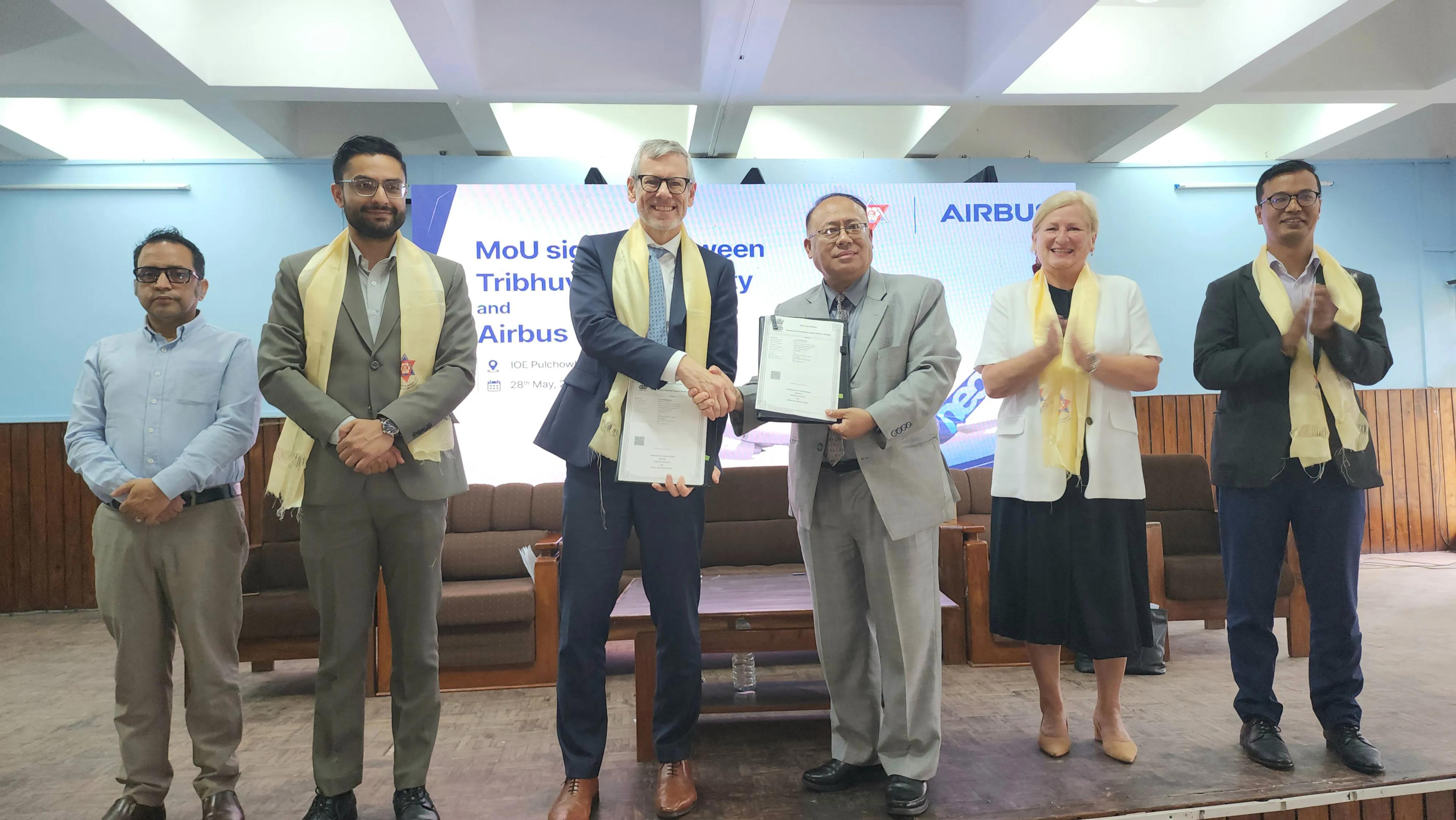
Separately, Airbus and Tribhuvan University signed a memorandum of understanding on June 11 to establish long-term cooperation on developing Nepal's aerospace workforce.
The agreement covers collaboration on curriculum development, research, training, digital technologies, artificial intelligence, machine learning, cybersecurity, industry-academia partnerships, internships, and student placements.
Bhattarai noted that Airbus had already been recruiting Nepali graduates before the MoU, but the agreement formalized what had previously been an individual-level arrangement.
"Now that Airbus and the university have entered into a formal partnership, it creates a long-term foundation for collaboration on curriculum development, capacity building, joint training programs, and stronger engagement with the aerospace industry," he said.
Despite the program's rising international profile, Bhattarai said the department still faces a shortage of qualified faculty. Of four permanent teaching positions, only one is currently filled.
"International companies have begun recognizing the caliber of our students," Bhattarai said, adding that sustaining the momentum would require greater investment in human resources, research, and infrastructure.